
Bouncing Back After Incarceration: Rebuilding Your Career with Her Second Chance Network
- hscninc
- Mar 14, 2025
- 4 min read
Introduction: A New Chapter Begins

Life after incarceration can feel like stepping into a world that has moved on without you. The challenges of finding a job, securing stable housing, and rebuilding personal relationships can feel overwhelming. But here’s the truth: your past does not define your future. With the right support system, tools, and mindset, you can reclaim your life and build a successful career.
At Her Second Chance Network, we specialize in helping formerly incarcerated individuals, particularly women, reintegrate into the workforce with confidence. Through resume writing, interview preparation, and skill-building programs, we equip you with the resources needed to secure meaningful employment and achieve long-term stability.
If you or a loved one is reentering society after time in jail or prison, this guide will walk you through actionable steps to rebuild your career and life.
Understanding the Challenges of Reentry
Many people leaving incarceration face the following barriers:
Employment Discrimination: A criminal record can make job searching difficult, as some employers hesitate to hire individuals with past convictions.
Lack of Job History: If you were incarcerated for years, you might not have recent work experience to showcase on a resume.
Limited Work Skills: Many individuals leave prison with limited training in modern workplace technologies or industry trends.
Housing Insecurity: A stable job is often necessary to secure housing, yet finding employment without an address can be tough.
Low Confidence: The stigma of having been incarcerated can create self-doubt and anxiety when applying for jobs or networking.
While these challenges are real, they can be overcome with determination, the right mindset, and access to supportive resources like those provided by Her Second Chance Network.
Step 1: Creating a Strong Resume
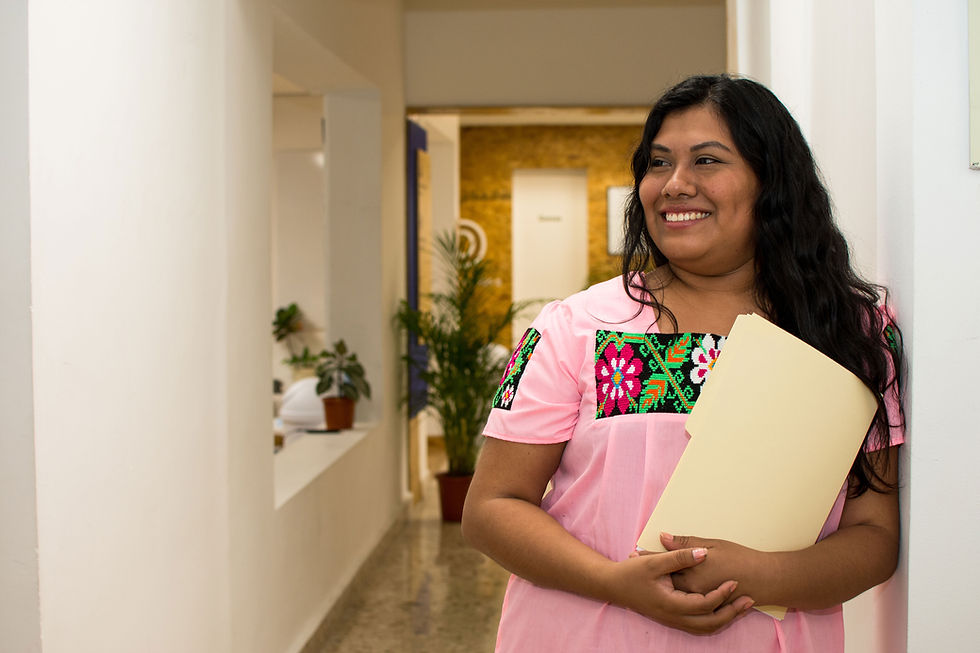
Key Resume Tips for Formerly Incarcerated Individuals
Highlight Transferable Skills: If you worked in a prison job (e.g., kitchen staff, maintenance, clerical work), emphasize skills like teamwork, time management, and problem-solving.
Include Educational Achievements: If you earned a GED, took vocational training, or completed any coursework in prison, list it under “Education” or “Certifications.”
Use a Functional Resume Format: This format focuses on skills rather than chronological work history, helping to minimize gaps
Be Honest but Strategic: You don’t need to explicitly state you were incarcerated on your resume. Instead, use general terms like “Independent Study” or “Vocational Training” to describe skill-building activities.
How Her Second Chance Network Can Help:We provide resume-writing workshops and one-on-one coaching to help you create a professional resume tailored to your strengths and experiences.
Step 2: Preparing for Job Interviews
Job interviews can be nerve-wracking, especially if you’ve been out of the workforce for a long time. Employers may ask about your background, and it’s important to prepare responses that emphasize growth, responsibility, and your future potential.
Common Interview Questions & How to Answer Them
1. “Tell me about yourself.”👉 Focus on your strengths, skills, and enthusiasm for the job. Keep it professional and positive.
2. “Can you explain this gap in your employment history?”👉 If asked about incarceration, keep it brief: "During that time, I focused on self-improvement, completed training in [specific skill], and developed strong [soft skill like leadership or communication]. I’m now eager to apply those skills in a professional setting."
3. “Why should we hire you?”👉 Highlight what makes you a great candidate: "I’m hardworking, eager to learn, and have experience in [related skills]. I’m committed to making a fresh start and contributing positively to your team."
How Her Second Chance Network Can Help:We offer mock interviews, coaching sessions, and confidence-building workshops to help you master job interviews and make a great first impression.
Step 3: Building Work-Related Skills

If you lack certain skills needed for today’s job market, consider training programs that provide hands-on experience.
High-Demand Skills to Learn:
Customer Service & Sales (Retail, Call Centers)
Office Administration (Microsoft Office, Data Entry)
Skilled Trades (Construction, Plumbing, HVAC)
Technology (Basic IT, Cybersecurity, Coding Bootcamps)
How Her Second Chance Network Can Help:We connect individuals with free or low-cost vocational training programs, helping you gain new certifications and skills that boost your employability.
Step 4: Finding Job Opportunities That Hire Formerly Incarcerated Individuals
Not all employers look at a criminal record as a barrier. Many companies actively support second-chance hiring, and some industries are more open to hiring individuals with past convictions.
Industries That Often Hire Returning Citizens:
Construction & Skilled Trades (Electricians, Carpenters)
Hospitality & Food Service (Hotels, Restaurants, Catering)
Manufacturing & Warehousing (Forklift Operators, Assembly Line)
Transportation & Delivery Services (Truck Drivers, Couriers)
Nonprofit & Social Services (Community Outreach, Case Management)
How Her Second Chance Network Can Help:We partner with employers who support fair hiring practices and help individuals connect with job openings that align with their skills and interests.
Step 5: Creating a Support System for Success
Reentering the workforce isn’t just about finding a job—it’s about building a stable and fulfilling life. Surrounding yourself with a strong support system is key.
Ways to Stay Motivated and Supported:
\
Join a Support Group: Being part of a network like Her Second Chance Network provides encouragement, mentorship, and job leads.
Find a Mentor: Having someone who has successfully transitioned can offer guidance and motivation.
Continue Learning: Take advantage of community college courses, workshops, and job training programs.
Celebrate Small Wins: Every application sent, interview completed, and skill learned is progress toward your new life.
Final Thoughts: Your Past Does Not Define Your Future
Rebuilding after incarceration takes time, patience, and perseverance. But remember—you are not alone. There are employers who believe in second chances, organizations that advocate for fair hiring, and communities willing to support your journey.
At Her Second Chance Network, we are dedicated to helping women reentering society through career-building support, job placement assistance, and personal development programs.
📧 Email Us: hersecondc@gmail.com📌 Facebook: Her Second Chance Network💜 Donate to Support Second Chances: https://givebutter.com/c/cU0ya0
Your second chance starts today—take the first step towards rebuilding your future.


Comments